
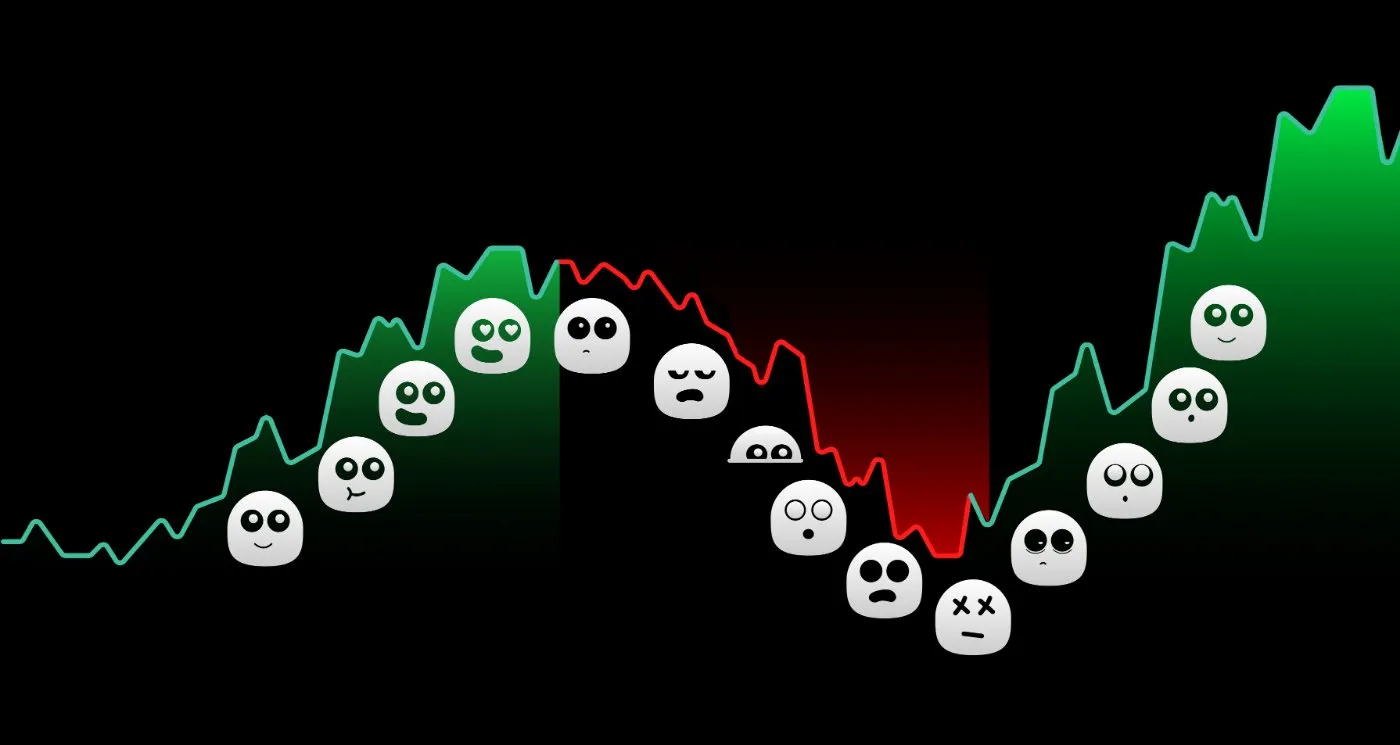
The Euphoria/Panic Cycle
How Emotions Impact Investors
“It was the best of times; it was the worst of times.” The opening line from The Tale of Two Cities portrays a paradox that sums up how many investors feel about the financial markets.
Perhaps you typically approach financial decisions with optimism or alternatively, maybe you lean toward being anxious. Both of these human emotions represent places on the Euphoria/Panic market cycle.
Euphoria and Panic are just two plots on a historically continuous market cycle that contains various positive emotions such as optimism and excitement, as well as negative feelings, like anxiety or desperation.
While optimism and anxiety aren’t extreme emotions, they can lead you toward euphoria on one hand or panic on the other. Those are extreme emotions.
Separating the Signal From the Noise
Where emotions are involved, it’s sometimes difficult to separate the signal from the noise. What actually matters to you and your financial future?
Euphoria and panic are synonyms to greed and fear. These are human emotions that everyone has experienced. You can’t totally suppress these emotions, but you can increase your awareness of how they impact your financial choices.
How Your Beliefs Influence Financial Decisions
The raw materials for euphoria and panic are your beliefs and convictions. You probably assume that your beliefs change very little over time. However, you might be surprised if you inventoried your primary beliefs today versus what they were a decade ago. Oftentimes, some of your beliefs have changed.
Having the psychological ability to change your mind when the world changes is sometimes called mental liquidity. Changing your beliefs can be very hard because you have to first admit that you were wrong about something and made a mistake.
Maintaining beliefs takes effort and commitment. It’s easy for old convictions to trap you and morph into a willful disregard for reality. When you find yourself in that spot you have to decide what really matters for your financial future.
British philosopher Bertrand Russell once said, “Every man, wherever he goes, is encompassed by a cloud of comforting convictions, which moves with him like flies on a summer day.”
Do you have any “comforting convictions” that need to be updated or even abandoned? Do your convictions help or harm your long-term financial objectives?
How Financial News Can Amplify Investor Emotions
Your beliefs and convictions are formed over time but amplified by the information you consume. Regardless of the topic, it’s difficult to consume news that’s free of bias. Just like the food you consume, what you read or listen to impacts your decisions.
Because of the daily information inputs, it’s nearly impossible to stop the wave of emotions you experience in the financial markets. When excitement gives way to euphoria this is sometimes a danger sign. On the other hand, when fear becomes capitulation, this can be a time of long-term opportunity.
Maintaining Perspective Throughout the Market Cycle
Your personal financial experiences along with long-term market history can provide much needed perspective. Always keep this perspective and your personal goals top of mind. Start there. Ready for a real conversation?
Disclosure
Apollon Wealth Management, LLC dba J.E. Wilson (Apollon) is an investment advisor registered with the SEC. This document is intended for the exclusive use of clients or prospective clients of Apollon. Any dissemination or distribution is strictly prohibited. Information provided in this document is for informational and/or educational purposes only and is not, in any way, to be considered investment advice nor a recommendation of any investment product or service. Investing involves risk, and while remaining invested can support long-term goals, it does not guarantee a profit or protect against losses. Advice may only be provided after entering into an engagement agreement and providing Apollon with all requested background and account information. Please visit our website https://apollonwealthmanagement.com for other important disclosures.